

What is Self Assessment Tax

Self Assessment Tax is a system that gives people and companies the ability to manage their own tax obligations. Unlike income that is routinely deducted at source by an employer or payer, taxpayers must calculate and pay their own tax liability to the government. It guarantees that all income, including that from sources not automatically deducted, is appropriately recorded and liable to taxes. Self Assessment Tax enxourages trans[arency, compliance, and on-time payment by empowering people to choose and pay their own taxes, hence preventing fines and interest for underpayment. Who Is Required to Pay Self-Assessment Tax? Individuals and companies whose income is not fully taxed at the source or whose tax due is not entirely covered by advance tax or TDS (Tax Deducted at Source) are required to pay self-assessment tax. Individuals who generate income from sources such as capital gains, rent, or interest, where no automatic tax deduction is available, typically include professionals, independent contractors, business owners, and others. Suppose your total tax liability for the fiscal year exceeds the amount already paid via TDS or advance tax. In that case, you must calculate and pay the difference as Self-Assessment Tax before filing your income tax return. How to Pay Self-Assessment Tax? Paying Self-Assessment Tax is an easy method that enables taxpayers to pay their tax liabilities directly to the government prior to filing their income tax return. How to Pay Self-Assessment Tax: Calculate your tax liability: Total income minus deductions and taxes already paid Visit the Income Tax Portal: Use the official government website for payment Choose Your Payment Method: Net banking, debit/credit card, or authorized bank challan Make the Payment: Pay the exact amount of Self-Assessment Tax due Keep the Receipt/Challan: You’ll need it while filing your income tax return to claim credit How to Calculate Self-Assessment Tax? Calculating Self-Assessment Tax entails figuring out how much tax you pay after accounting for all sources of income and deductions. Begin by totaling your earnings for the fiscal year, including your salary, earnings from your business or profession, capital gains, rental income, and other sources. Subtract additional relevant allowances, investments under Section 80C, insurance premiums under Section 80D, and other qualified deductions and exemptions. Once your taxable income has been determined, use the applicable income tax slab rates to compute your total tax liability. Finally, remove any tax already paid through TDS or advance tax; the remaining amount is the Self-Assessment Tax, which you must pay before completing your income tax returns. I am a Freelancer. Can I Do it Myself or Should I Seek Help? As a freelancer, you can undoubtedly calculate and pay your own Self-Assessment Tax, particularly given the advantage of online payment through the official Income Tax Portal. The process allows you to compute your tax, select your payment option (net banking, debit/card, or bank challan), and pay straight from the comfort of your own home. However, if you’re feeling overwhelmed by all of these taxes, coordinating deductions, exemptions, and timely payments might be difficult. That’s where Team Taxperts comes in. We’ll walk you through the entire process and ensure your Self-Assessment Tax is accurate and paid on time, so you can focus on expanding your freelance job without worry. What Happens If Self-Assessment Tax is Not Paid? Not paying your self-assessment tax might have a number of repercussions. The government may apply interest on the remaining sum, which will accumulate until the tax is paid. Penalties may also be applied for late or nonpayment, and in severe situations, legal action may be initiated to reclaim the debt. Not paying Self-Assessment Tax on time can also cause complications when filing your Income Tax Return because your tax liability remains undetermined. It is advisable to calculate and pay your Self-Assessment Tax on time to ensure compliance and peace of mind and to avoid these problems. Difference Between Self-Assessment Tax and Advance Tax While both Self-Assessment Tax and Advance Tax refer to the payment of income tax, both have various purposes and are applicable at different stages: Advance Tax is paid in installments throughout the fiscal year based on your estimated income. It is designed to spread out tax payments rather than paying a lump sum at the end of the year. Advance tax must be paid by professionals, companies, and individuals whose tax obligations surpass a specific threshold to prevent interest and penalties. In contrast, self-assessment tax is paid after the fiscal year concludes, after the actual income and deductions have been determined. It is utilized to settle any outstanding tax liabilities that have not been met by TDS (Tax Deducted at Source) or Advance Tax before filing the Income Tax Return. Common Mistakes to Avoid when Paying Self Assessment Tax Underestimating Tax Liability: Failure to disclose all sources of income, such as freelance earnings, interest, or rental income, may result in underpayment. Missing Deadlines: Delaying payment till the last minute may result in interest and penalties. Incorrect Challan Details: Incorrect PAN, assessment year, or payment type can result in the payment being uncredited. Ignoring Deductions: If you fail to claim appropriate deductions under sections such as 80C or 80D, you may end up paying more tax than is necessary. Not Keeping Proof of Payment: Losing the challan or receipt can cause issues when filing your income tax return. Relying Only on TDS: Assuming that TDS covers all of your tax obligations could result in a shortfall if you have extra income. You can prevent fines and ensure a seamless process by exercising caution and verifying all estimates and data. And don’t forget that Team Taxperts is available to assist you if you’re feeling overburdened by taxes. Final Thoughts Paying Self-Assessment Tax may appear daunting at first, but with the right information and careful planning, it can be a simple process. Making timely payments not only maintains you in compliance with the law, but also helps you avoid excessive interest and penalties. For freelancers, business owners,
What is Advance Tax?

Advance Tax is the income tax you submit to the government in advance, rather than paying it in one lump sum at the end of the financial year. It’s also called the “pay-as-you-earn” system because you submit your taxes in periods during the year, as you earn income. Who All Need to Pay Advance Tax? Individuals (Salaried / Self-Employed / Professionals / Business Owners) If your total tax liability in a financial year is ₹10,000 or higher after correcting for TDS.Although TDS is typically withheld from salaries, persons who receive additional income (such as rent, capital gains, interest, freelancing, or company revenue) can still be required to pay advance tax. Businesses / Companies Any business, including companies, firms, LLPs, etc., with tax liability exceeding ₹10,000 in a financial year. Professionals (Doctors, Lawyers, Consultants, Freelancers, etc.) Those earning income where tax is not fully deducted at source. Taxpayers with Capital Gains, Lottery Income, or Other Windfall Income Since these earnings typically aren’t covered by TDS, advance tax must be paid if the liability exceeds ₹10,000. How to Calculate Advance Tax Step 1: Estimate your total income Step 2: Deduct exemptions and deductions Step 3: Compute your tax liability Step 4: Adjust TDS and reliefs Step 5: Pay in installments as per due dates Advance Tax is paid in four installments during the year. How to Pay Advance Tax? Advance Tax can be paid easily online or offline. Online Payment Visit the Income Tax e-filing portal → e-Pay Tax. Select Challan ITNS 280. Enter PAN, Assessment Year, and choose Advance Tax (100). Pay using Net Banking, Debit Card, UPI, etc. On success, you’ll get a Challan Identification Number (CIN) as proof, which also reflects in Form 26AS. Offline Payment Fill in Challan 280 at an authorized bank branch. Pay via cheque or cash. Collect the stamped challan as proof of payment. Pay before due dates (15th June, 15th Sept, 15th Dec, 15th March) to avoid penalties. Due Date for Paying Advance Tax For individuals, corporations, and companies (other than those subject to presumptive taxation), Advance Tax must be paid in four installments during the fiscal year: 15th June: At least 15% of the total tax liability 15th September: At least 45% of total tax liability (cumulative) 15th December: At least 75% of total tax liability (cumulative) 15th March: 100% of total tax liability For taxpayers under presumptive taxation (Section 44AD / 44ADA), they must pay the whole Advance Tax (100%) in one installment on or before March 15th. Missing these deadlines attracts interest under Sections 234B and 234C. What Happens if Advance Tax is Not Paid on Time Failing to pay advance tax on time can lead to: Interest under Section 234B: 1% per month if 90% of tax isn’t paid by year-end. Interest under Section 234C: 1% per month for missed or partial installments. Higher financial burden: Large lump-sum payments at year-end can disrupt planning. Stress during filing: Increases chances of mistakes and scrutiny. How Tax Consultants Can Help: Accurately calculate advance tax and plan payments. Send reminders to avoid missed deadlines. Minimize penalties and interest through strategic tax planning. For more details on tax consultants, see our previous blog on “what is tax consultant?” What is Advance Tax Liability? Advance Tax Liability is the amount of income tax a taxpayer is expected to pay in installments during the fiscal year, rather than all at once at the end. This applies when your total tax liability (after TDS) reaches ₹10,000 in a financial year. The liability is determined using your expected income, deductions, and applicable tax slabs, and it must be paid by the Income Tax Department’s due dates. For a related topic, check out our Self Assessment Tax blog, which explains how to pay any outstanding tax bill at the end of the year after accounting for TDS and advance tax. Final Thoughts Advance Tax helps you stay compliant and prevent last-minute tax burdens, but properly calculating and paying it can be difficult at times. A qualified tax expert organization can help in this situation. As the best tax consultants in Kerala, Team Taxperts manages all of your tax-related tasks, from assessing your tax liability and planning advance tax payments to ensuring timely filings, allowing you to concentrate on your income and business without fear of penalties or interest. Partnering with experts not only saves time but also gives you peace of mind that your taxes are being handled correctly and efficiently.
What is a tax consultant? Roles, Duties, and How to Become One in India

A Tax Consultant is a highly skilled professional who specializes in taxation and helps people, businesses, and organizations manage their tax duties efficiently and legally. Their key responsibilities include assisting clients in comprehending intricate tax laws, minimizing tax obligations, and maintaining complete compliance with government regulations. Tax consultants offer specialized advice on tax planning, ensuring that customers take advantage of all available deductions, exemptions, and incentives to decrease their tax liability. They are skilled in accurately preparing and filing tax forms, steering clear of mistakes that might result in fines or audits. Beyond filing, they provide strategic advice on financial decisions, investments, and business structures that may have major tax ramifications, allowing customers to save money in the long run. Duties of Tax Consultants 1. Tax Planning & Strategy Advise clients on ways to minimize tax liabilities legally. Develop long-term tax strategies aligned with personal or business financial goals. 2. Preparing & Filing Tax Returns Accurately prepare income tax, corporate tax, GST, VAT, or other statutory tax filings. Ensure timely submission to avoid penalties or interest. 3. Compliance Monitoring Stay updated on changing tax laws and regulations. Ensure clients comply with government rules to avoid audits or fines. 4. Audit Support & Representation Represent clients before tax authorities during audits or disputes. Prepare necessary documents and explain financial transactions to auditors. 5. Financial & Investment Advisory Guide on tax-efficient investments, savings plans, and business structures. Provide insights on deductions, exemptions, and incentives to optimize finances. 6. Record Keeping & Documentation Maintain organized financial and tax records for clients. Help businesses implement proper accounting systems to meet regulatory requirements. 7. Business Tax Advisory Assist businesses in planning mergers, acquisitions, or expansions from a tax perspective. Advise on payroll taxes, corporate tax compliance, and international taxation issues. 8. Problem Solving & Dispute Resolution Help clients address tax-related queries or legal issues. Negotiate settlements or adjustments with tax authorities where required. Skills Needed to Become Tax Consultants One requires a combination of technical expertise, analytical ability, and people skills to be a successful tax consultant. Among the essential abilities are: 1. In-depth Knowledge of Tax Laws Understanding of income tax, corporate tax, GST, VAT, and other relevant regulations. Ability to keep up with constantly changing tax laws and compliance requirements. 2. Analytical and Research Skills Ability to analyze financial statements, business transactions, and tax data. Strong research skills to find applicable deductions, exemptions, and incentives. 3. Attention to Detail Precision in preparing tax returns and financial documents. Ability to spot errors or inconsistencies that could lead to penalties. 4. Accounting and Financial Skills Knowledge of accounting principles, bookkeeping, and financial reporting. Ability to work with balance sheets, profit & loss statements, and cash flow reports. 5. Problem-Solving Skills Ability to provide solutions for minimizing tax liabilities legally. Handling disputes, audits, and tax-related issues effectively. 6. Communication and Interpersonal Skills Ability to explain complex tax laws and concepts in simple terms to clients. Strong negotiation skills when dealing with tax authorities. 7. Ethical and Professional Conduct Maintaining the confidentiality of financial information. Ensuring compliance and honesty in all client dealings. 8. Technology Proficiency Familiarity with tax software, accounting tools, and spreadsheets. Ability to use online portals for filing taxes and submitting documents. How to Become Tax Consultants in India Becoming a tax consultant in India requires acquiring the right educational requirements, professional credentials, and practical knowledge to advise people and companies on tax matters efficiently. Here is a detailed road map: Educational Qualifications Earn a bachelor’s degree in economics, finance, accounting, or commerce. B.Com, BBA (Finance), and CA/ICWA/CS are among the most beneficial courses since they give students a solid foundation in accounting and taxes. Gain Knowledge of Tax Laws Learn about Income Tax, GST, Corporate Tax, and other indirect taxes. Keep abreast of government regulations, announcements, and amendments. Professional Certification (Optional but Recommended) Obtain qualifications such as Certified Tax Practitioner (CTP), GST Practitioner, or Chartered Accountant. These credentials offer more in-depth technical knowledge and boost credibility. Practical Experience Intern or work under an experienced tax consultant, CA firm, or accounting company to gain hands-on experience. Learn more about preparing tax returns, managing audits, and offering tax advice. Obtain GST Registration (if starting your own practice) Register as a GST practitioner to help customers file GST returns. Learn how to use tax software. Develop Soft Skills Good communication, problem-solving, analytical, and attention to detail abilities are essential for customer management. Start Your Practice or Join a Firm You can either work for a tax consultation firm, a chartered accounting firm, or a financial services organization, or you can start your own tax consultancy practice. Develop a clientele gradually through networking, recommendations, and reputation. Continuous Learning It’s crucial to stay updated with tax regulations through seminars, conferences, and online courses because they often change. Career Roadmap for Tax Consultants Start with a Bachelor’s degree in Commerce, Accounting, or Finance, and professional courses like CA, CS, or ICWA add significant value. Learn Income Tax, GST, Corporate Tax, and other regulations and stay updated with changes in laws. Obtain certifications such as GST Practitioner or Certified Tax Consultant to build credibility. Work with CA firms, corporate finance teams, or tax consultancy firms to gain hands-on exposure to tax filings, audits, and advisory work. Strengthen analytical abilities, communication skills, and proficiency with accounting software. Begin as a junior consultant, progress to senior roles or tax advisor positions, and eventually consider starting your own consultancy. Attend workshops, webinars, and advanced courses to stay updated and specialize in areas like corporate tax, GST, or international taxation. Why Should a Freelancer or Business Owner Hire a Tax Consultant With numerous revenue sources, deductions, and compliance requirements, managing taxes may be challenging, particularly for independent contractors and business owners. A tax expert can help you save a lot of money and stay out of trouble with the law. Here’s why: Expert Tax Planning Tax advisors assist clients in identifying all available deductions, exemptions, and incentives, thereby lawfully reducing tax payments. They
Importance of Proper Bookkeeping for Freelancers and Startups

Managing finances effectively is one of the biggest challenges for freelancers and startups. Unlike salaried employees, freelancers must handle everything themselves—from generating invoices to tracking expenses and paying taxes. This is where bookkeeping for freelancers plays a vital role. Accurate bookkeeping not only ensures compliance but also helps build financial discipline, making business growth easier. What is Bookkeeping for Freelancers? Bookkeeping refers to systematically recording all financial transactions, including income, expenses, assets, and liabilities. For freelancers, this means maintaining records of client invoices, payments received, business-related expenses, and taxes paid. Why it matters: Without proper bookkeeping, freelancers may miss tax deductions, fail to track pending payments, and struggle to prove expenses during audits. Benefits of Bookkeeping for Freelancers Simplifies Tax Filing: When records are accurate, filing your Income Tax Returns (ITR) becomes faster and stress-free. It also ensures proper claim of deductions and TDS credits. Tracks Income and Expenses: Bookkeeping gives a clear picture of profitability, helping freelancers budget better and avoid financial surprises. Supports Loan or Credit Applications: Financial institutions often require income proof and well-maintained financial statements before approving loans. Prevents Penalties: Timely and accurate records help avoid errors in advance tax calculation or GST compliance. Link Between TDS and Bookkeeping In our previous blog on TDS Rules for Freelancers and Professionals, we explained how clients deduct TDS before making payments. To claim these credits properly, freelancers must maintain accurate books of accounts and reconcile TDS with Form 26AS. Without bookkeeping, freelancers risk losing legitimate tax refunds. Common Bookkeeping Mistakes by Freelancers Mixing personal and business expenses. Not issuing invoices regularly. Ignoring small expenses that are tax-deductible. Depending only on bank statements without maintaining supporting records. Best Practices for Bookkeeping Use digital accounting tools or hire professionals for accurate records. Maintain a dedicated business bank account to separate personal and professional transactions. Store invoices, receipts, and expense records in an organized manner. Regularly review financial statements to understand your cash flow. Conclusion Proper bookkeeping for freelancers is more than just record-keeping—it’s a foundation for financial success. By staying organized, you not only simplify tax filing and claim rightful deductions but also build credibility with clients, banks, and regulatory authorities. For end-to-end support with bookkeeping, tax filing, and compliance, hire Team Taxperts – your trusted financial advisor india.
TDS Rules for Freelancers and Professionals
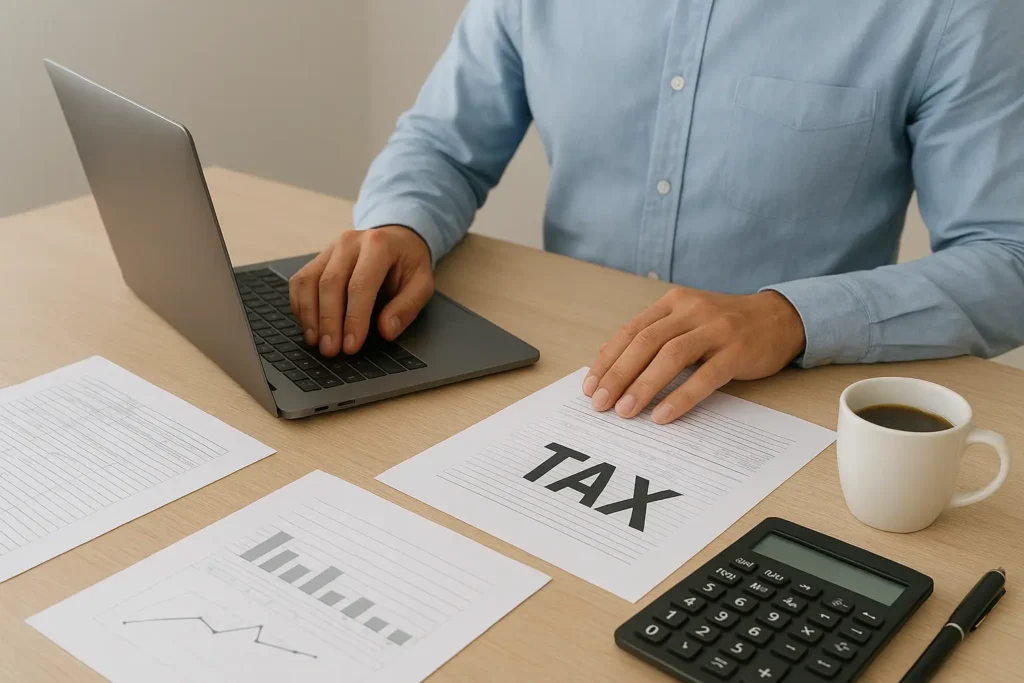
Freelancing and professional work are on the rise in India, giving individuals the freedom to choose clients and projects. But with this flexibility comes the responsibility of handling taxes properly. One key aspect that often confuses freelancers is Tax Deducted at Source (TDS). Understanding the TDS Rules for Freelancers and Professionals ensures compliance and helps avoid loss of income due to excess deductions. When Does TDS Apply? TDS is deducted when a client makes a payment to a freelancer or professional for services. Under the Income Tax Act, different sections govern the applicability based on the type of service: Section 194J: This applies to professional services (such as consultants, designers, writers, IT professionals, doctors, and lawyers) and generally attracts a 10% TDS. For payments made for technical services, the rate is 2%. TDS Threshold (Updated for FY 2025–26): TDS under Section 194J is only applicable if the total annual payment to a single professional exceeds ₹50,000 in a financial year. Section 194C: This covers contractual work, not professional services. The TDS rate is 1% or 2%, depending on whether the payee is an individual/HUF or another entity. TDS Threshold: TDS is applicable only if the annual payment exceeds ₹30,000 in a single payment or ₹1,00,000 in aggregate from a single client in a financial year. TDS Rates for Freelancers and Professionals The standard TDS rate is 10% on professional fees (u/s 194J). However: If the freelancer has not provided a valid PAN, TDS is deducted at 20%. For contracts covered under Section 194C, rates are lower (1–2%). How to Claim TDS Credit Even though clients deduct TDS, this does not mean it’s extra tax. It is adjusted against your final income tax liability. TDS deducted by clients is reflected in Form 26AS and the Annual Information Statement (AIS). While filing your Income Tax Return (ITR), you can claim this TDS amount as credit. If excess TDS has been deducted, you can claim a refund from the Income Tax Department. Common Issues with TDS Freelancers often face challenges such as: Mismatch in TDS records between Form 26AS and client statements. Excess deduction when advance tax or deductions are not considered. Clients not filing TDS returns on time, causing delays in reflecting credit. Keeping proper track of invoices, payments, and TDS certificates (Form 16A) is crucial to avoid these issues. Why Bookkeeping Matters TDS management is closely linked with proper bookkeeping. Without organized records of invoices, receipts, and tax deductions, freelancers may miss out on claiming rightful TDS credits. To understand how accurate record-keeping can simplify your tax life, don’t miss our next blog: Importance of Proper Bookkeeping for Startups and Freelancers. Conclusion Knowing the TDS Rules for Freelancers and Professionals helps you stay compliant and ensures you don’t lose money to unnecessary deductions. By keeping records updated and reconciling TDS with Form 26AS, freelancers can manage taxes smoothly. For expert guidance on tax filing, TDS management, and bookkeeping, contact Team Taxperts – your trusted Tax consultant in kochi.